
Energy Performance Certificate (EPC) in Spain Explained
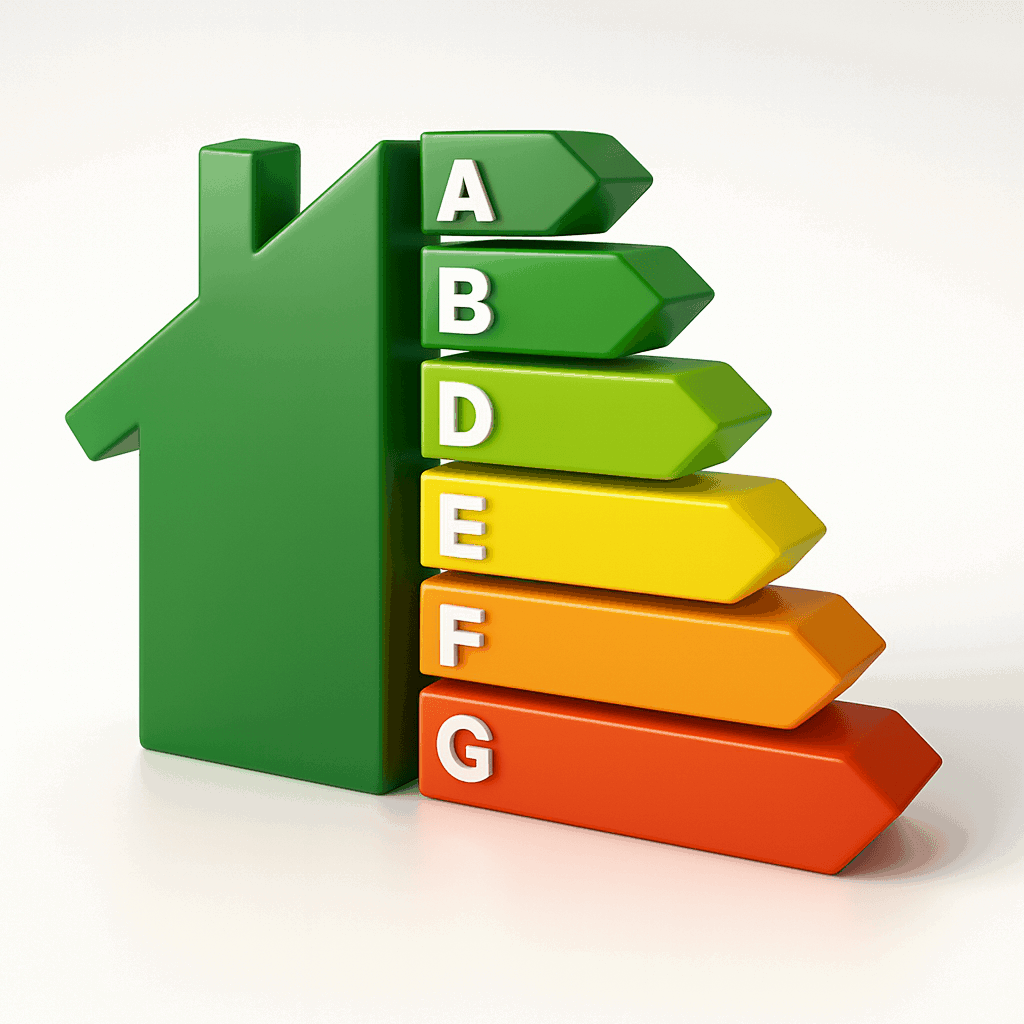
The Energy Performance Certificate (EPC) has been mandatory in Spain since 2013 for selling or renting properties. It rates energy efficiency from A (very efficient) to G (very inefficient) and plays an important role in the Spanish real estate market.
Current regulations
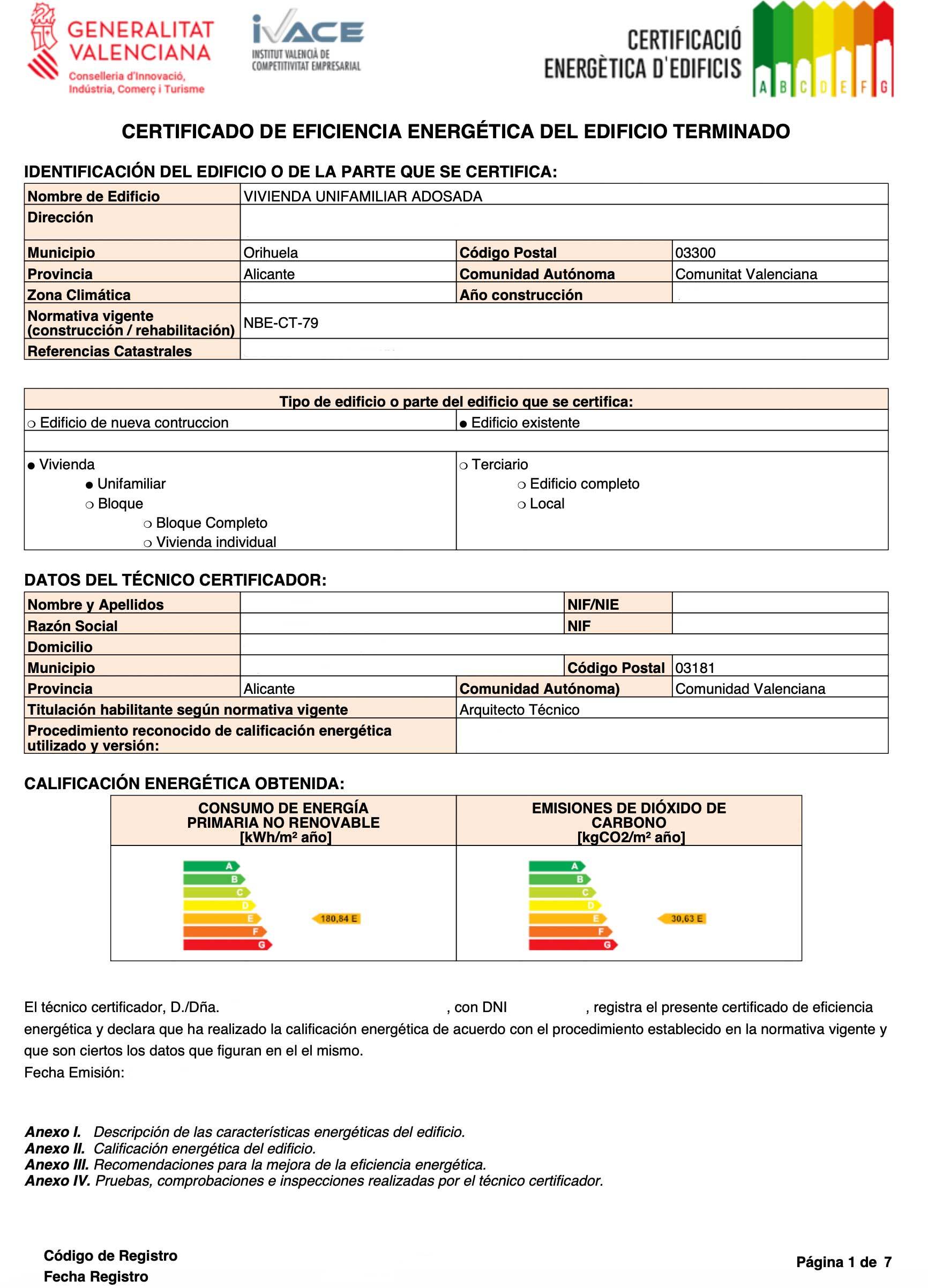
All properties for sale or rent must have a valid EPC. The certificate is generally valid for 10 years, except for G-rated properties (5 years).
Since August 2025, banks and appraisers also use the EPC for mortgage valuations, which can influence property value, transaction speed, and mortgage conditions.
Future obligations
There is a lot of information circulating about minimum energy labels from 2030 and 2033. However, for private residential properties in Spain, this does not currently mean that a property with a low energy label will automatically become impossible to sell or rent out.
The European directive aims to create a more energy-efficient and ultimately climate-neutral building stock by 2050. For residential property, the focus is mainly on national renovation pathways for the housing stock as a whole, with targets to gradually reduce average energy consumption towards 2030 and 2035.
Spain and the autonomous regions still need to further define how these objectives will be implemented in practice. The Spanish and regional implementation should therefore continue to be monitored and is, at this stage, not yet fully developed.
This does not mean that the EPC is unimportant. On the contrary: energy performance will increasingly influence valuation, financing, rental potential, future renovation costs and resale value.

Consequences of non-compliance
Homeowners who do not have a valid and registered energy performance certificate, or who fail to correctly state the energy rating when selling or renting out a property, may face sanctions.
Sale and rental: a low energy label does not currently mean that a private residential property in Spain can no longer be sold or rented out. It may, however, affect valuation, financing, rental potential and the negotiating position.
Loss of value: a low energy label can negatively affect the sales price and rental potential, especially when future renovation costs are a consideration for buyers or tenants.
Fines: not having a valid EPC, failing to register the certificate or incorrectly stating the energy rating may lead to sanctions. The amount of the fine depends on the nature of the infringement and the competent autonomous region.

Improvement measures
Homeowners can improve their property's energy efficiency through various actions:
Enhancing insulation in roofs, walls and floors. Replacing windows with high-quality double or triple glazing.
Installing energy-efficient systems, such as solar panels, heat pumps, or other energy-friendly heating and cooling systems.
Tips for buyers and renters
When buying or renting a property in Spain, it is important to consider the EPC:
New builds: Often already energy-efficient and generally have a high rating.
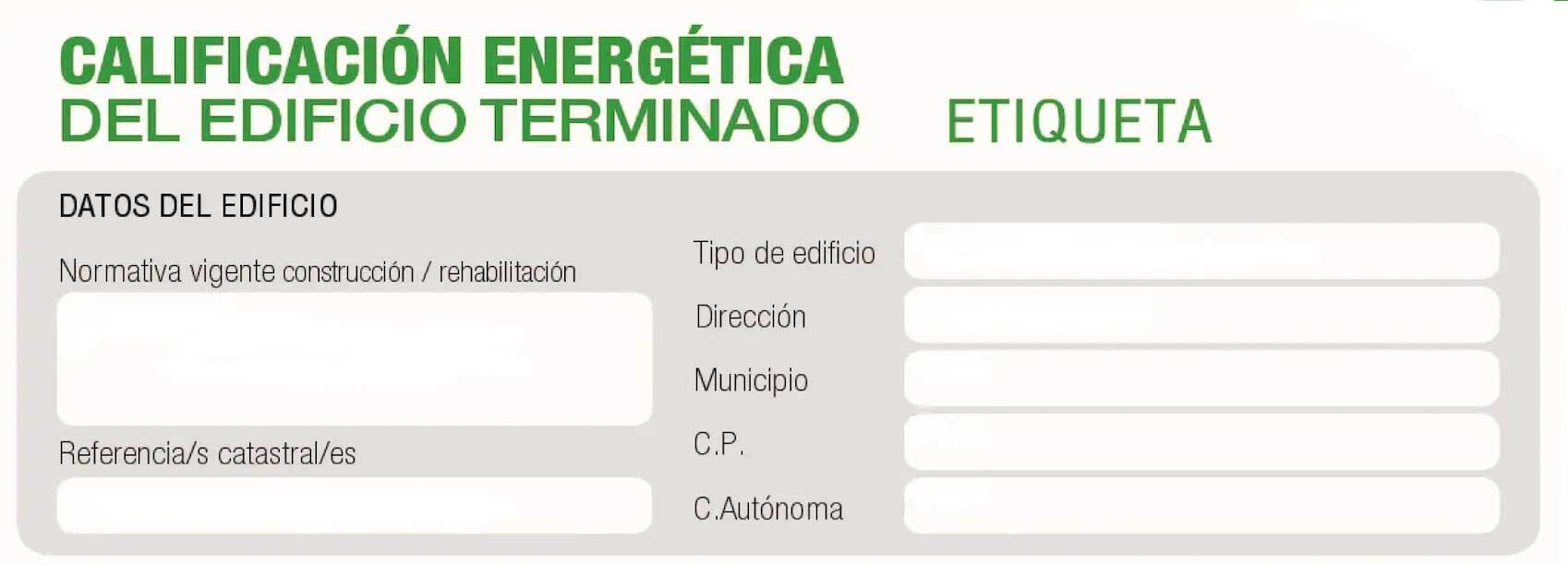
Existing properties: Consulting the EPC is increasingly important to understand the property's current condition and to anticipate what needs to be considered in the future.
Detached homes vs apartments: Renovations in apartments can be more complicated due to shared spaces, whereas detached homes generally offer more flexibility for insulation and energy improvements.